January 30, 2026

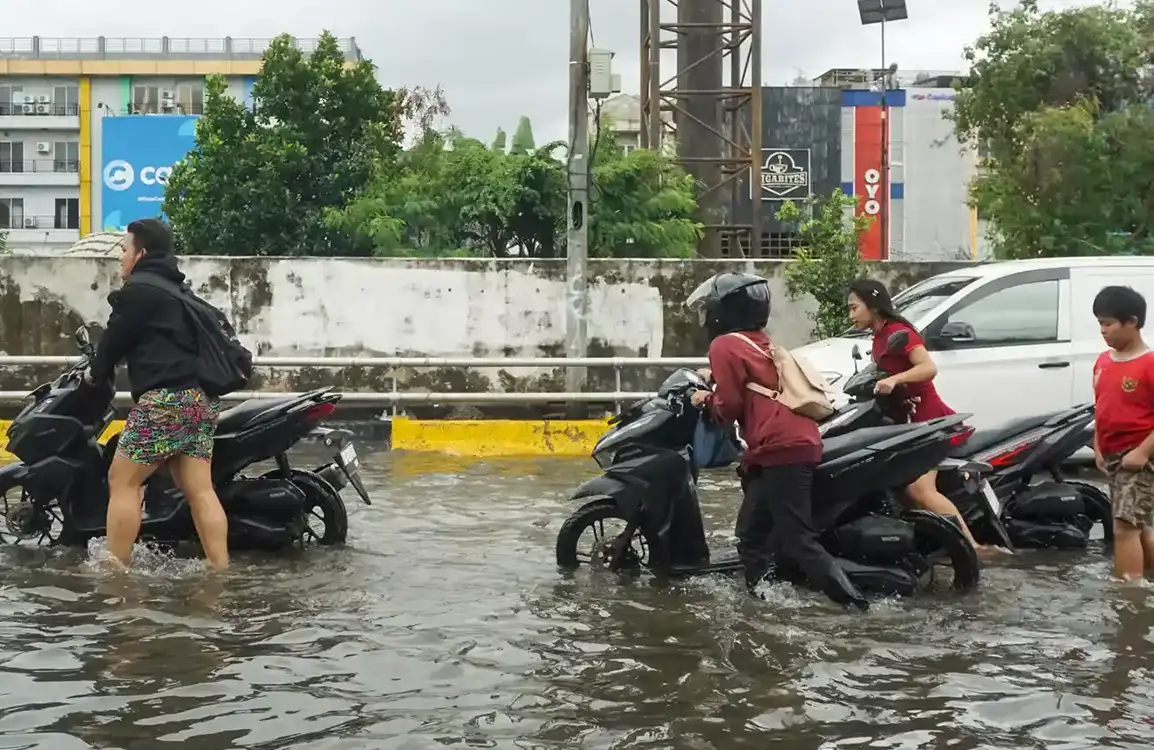
Illustration of a motorcycle submerged in floodwater (Image source: www.saibumi.com)
Many riders still have a mistaken understanding when their motorcycle stalls after going through a flood. The most common mistake is the assumption that floodwater enters the engine through the exhaust.
In fact, in many cases, water actually enters through the engine’s intake system, not through the exhaust. This misconception often leads to improper handling and more severe engine damage.
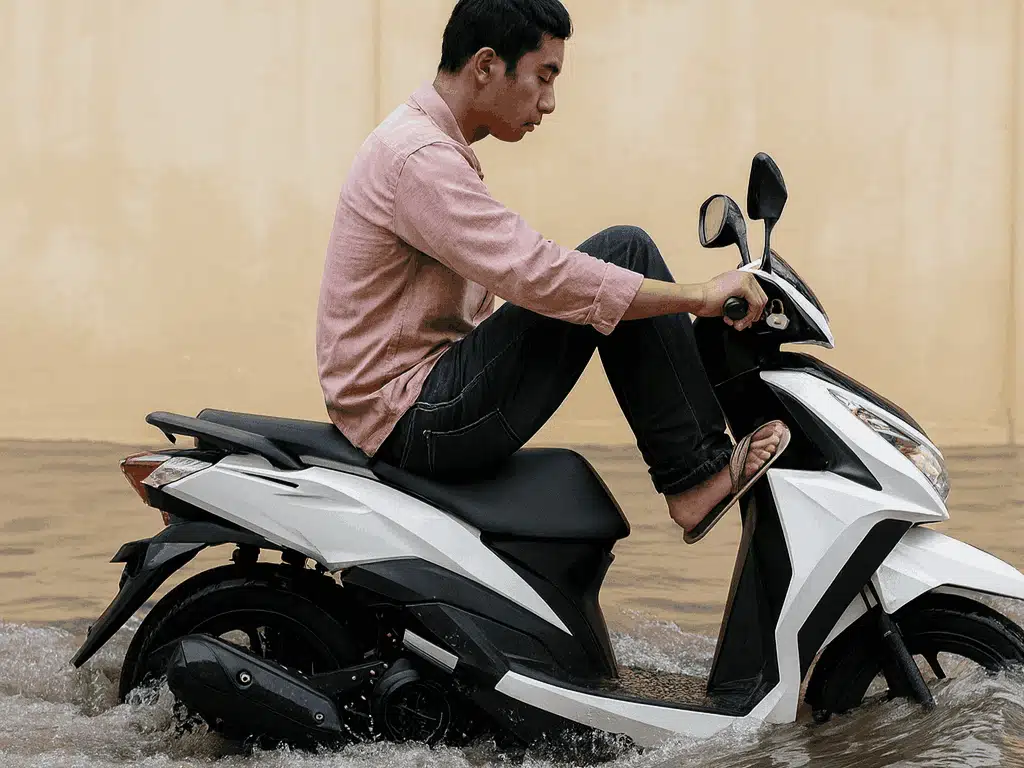
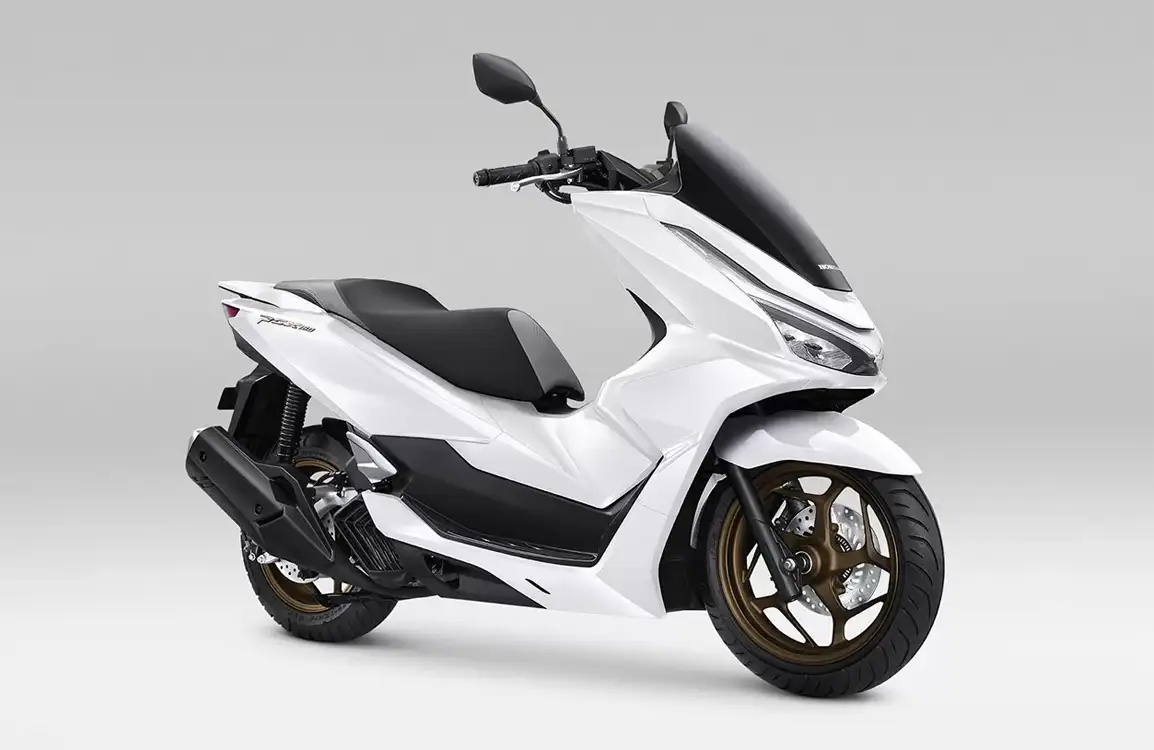
Illustration of a motorcycle exhaust exposed to flooding (Image source: www.astraotoshop.com)
The belief that floodwater enters through the exhaust has long circulated among riders. Logically, the exhaust is located at the lower part of the motorcycle and appears to be the most vulnerable to water exposure.
However, in reality, the exhaust functions to expel air from the engine when the throttle is opened. Therefore, it is incorrect to assume that the engine dies because water enters through the exhaust opening.
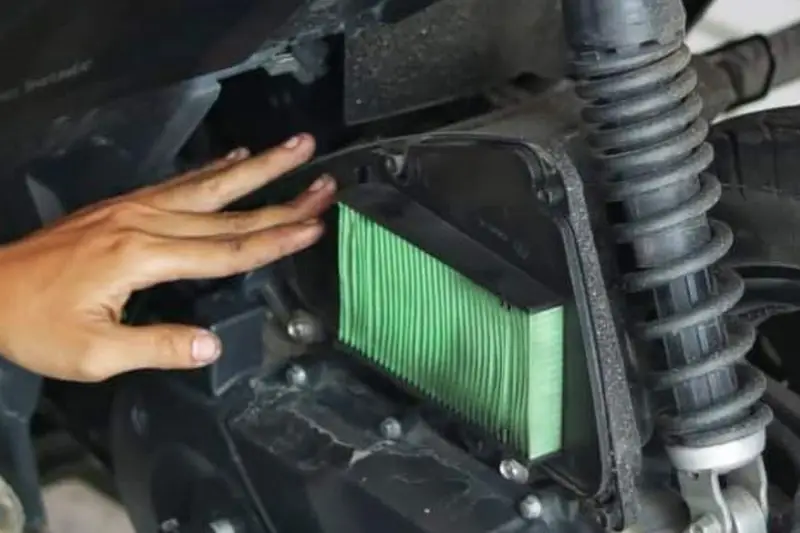
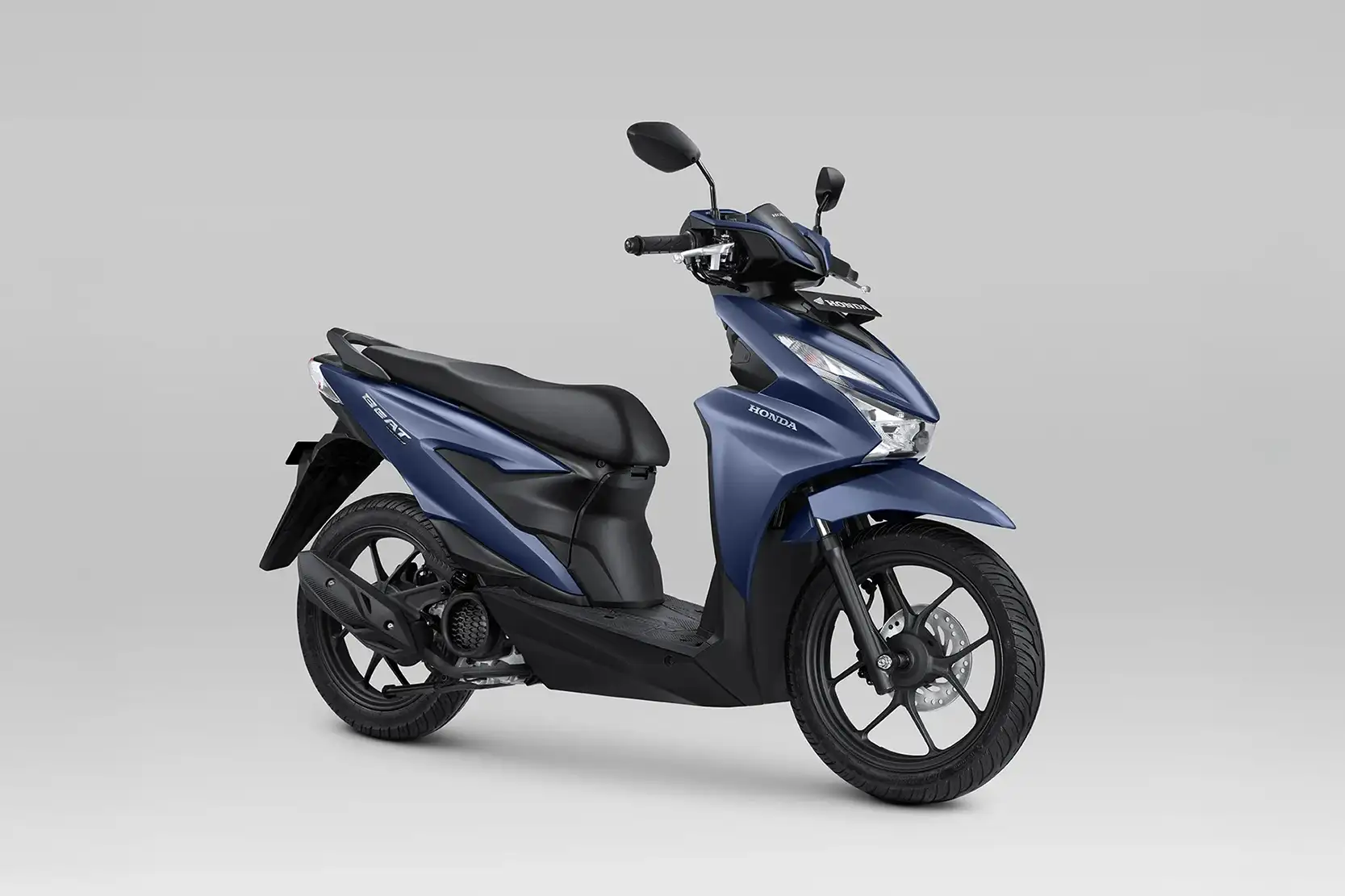
Illustration of an air intake system on a motorcycle (Image source: www.jto.co.id)
The main cause of water entering the engine during flooding actually comes from the air intake. This channel functions to draw air into the combustion chamber for the combustion process.
Its relatively low position on most motorcycles makes it prone to being submerged in floodwater. When the motorcycle remains running or is forcefully started while the air intake is submerged, floodwater will be sucked into the combustion chamber, causing a condition known as water hammer.
This condition can be further exacerbated if the rider travels at high speed through floodwater, causing waves of water to enter the air intake. If this has already occurred, do not restart the motorcycle while in standing water; instead, move it to a dry area and inspect the air intake/filter.
Water hammer occurs when water enters the combustion chamber and the piston attempts to compress it. Because water cannot be compressed, this condition can cause:
Damage caused by water hammer is considered serious and requires significant repair costs.
Therefore, the misconception that floodwater enters through the exhaust needs to be corrected. In reality, water more often enters through the engine’s air intake, especially when the motorcycle is forced to run in flooded conditions. Hopefully, riders can be more cautious when passing through floodwaters.
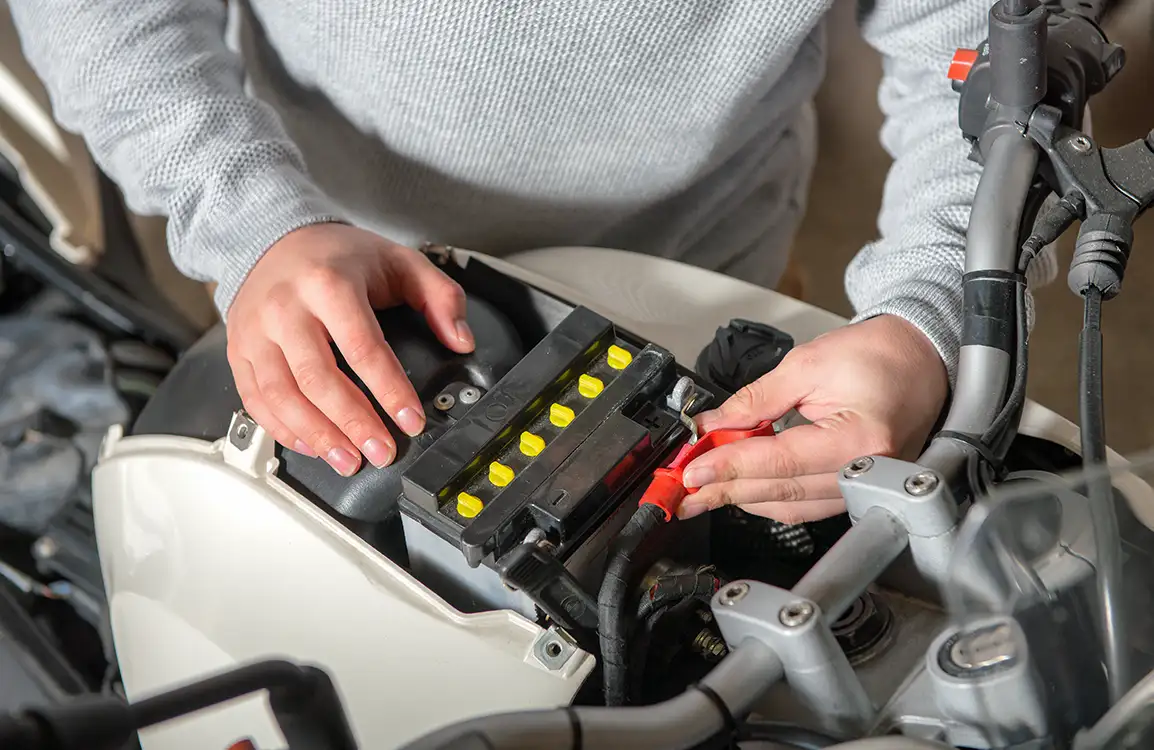
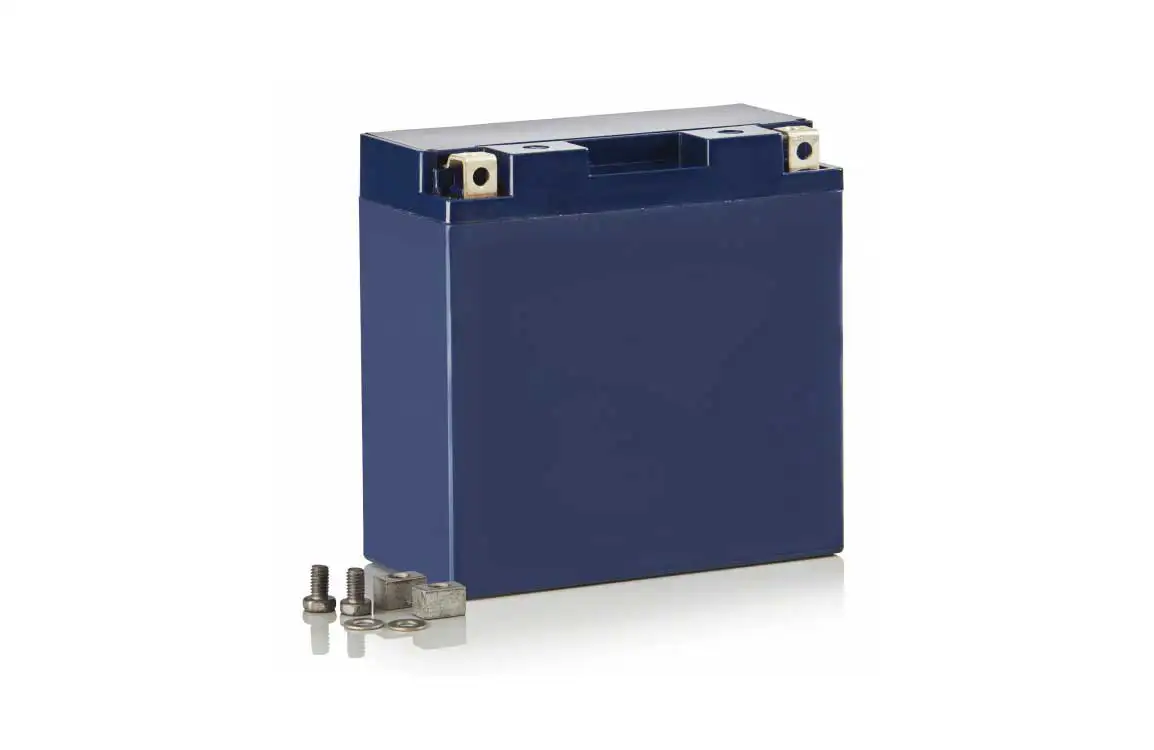
In addition to being cautious when passing through floods, riders also need to pay attention to choosing the best spare parts so their motorcycles can handle all conditions optimally. One of these is the motorcycle battery.
Choosing the best motorcycle battery should not be based solely on ampere capacity, but also on several other aspects, such as high CCA, low self-discharge, and a longer service life compared to conventional batteries.
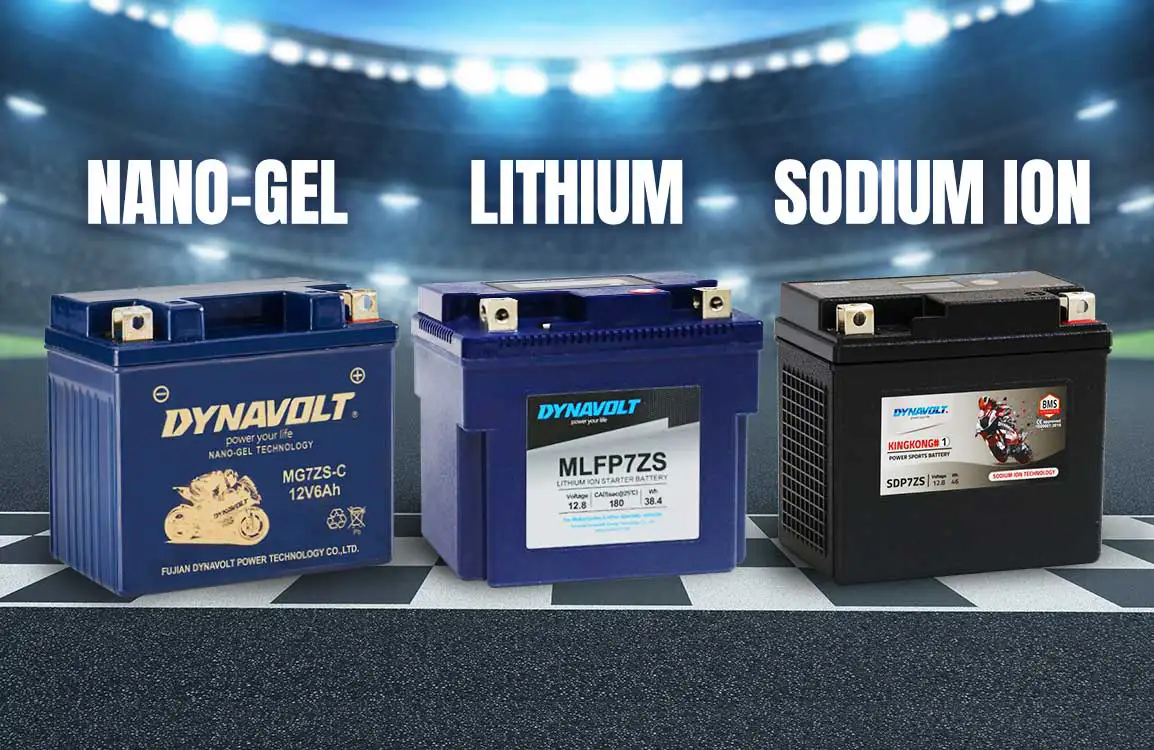
All of these best aspects are found in Dynavolt batteries. Dynavolt batteries are already known and used in more than 90 countries worldwide. Therefore, riders no longer need to worry about the quality of Dynavolt batteries, as their quality is guaranteed.
Let’s use Dynavolt batteries on your motorcycle now. For more information, check out Dynavolt battery products at:
Illustration of a motorcycle submerged in floodwater (Image source: www.saibumi.com)
Many riders still have a mistaken understanding when their motorcycle stalls after going through a flood. The most common mistake is the assumption that floodwater enters the engine through the exhaust.
In fact, in many cases, water actually enters through the engine’s intake system, not through the exhaust. This misconception often leads to improper handling and more severe engine damage.
Illustration of a motorcycle exhaust exposed to flooding (Image source: www.astraotoshop.com)
The belief that floodwater enters through the exhaust has long circulated among riders. Logically, the exhaust is located at the lower part of the motorcycle and appears to be the most vulnerable to water exposure.
However, in reality, the exhaust functions to expel air from the engine when the throttle is opened. Therefore, it is incorrect to assume that the engine dies because water enters through the exhaust opening.
Illustration of an air intake system on a motorcycle (Image source: www.jto.co.id)
The main cause of water entering the engine during flooding actually comes from the air intake. This channel functions to draw air into the combustion chamber for the combustion process.
Its relatively low position on most motorcycles makes it prone to being submerged in floodwater. When the motorcycle remains running or is forcefully started while the air intake is submerged, floodwater will be sucked into the combustion chamber, causing a condition known as water hammer.
This condition can be further exacerbated if the rider travels at high speed through floodwater, causing waves of water to enter the air intake. If this has already occurred, do not restart the motorcycle while in standing water; instead, move it to a dry area and inspect the air intake/filter.
Water hammer occurs when water enters the combustion chamber and the piston attempts to compress it. Because water cannot be compressed, this condition can cause:
Damage caused by water hammer is considered serious and requires significant repair costs.
Therefore, the misconception that floodwater enters through the exhaust needs to be corrected. In reality, water more often enters through the engine’s air intake, especially when the motorcycle is forced to run in flooded conditions. Hopefully, riders can be more cautious when passing through floodwaters.
In addition to being cautious when passing through floods, riders also need to pay attention to choosing the best spare parts so their motorcycles can handle all conditions optimally. One of these is the motorcycle battery.
Choosing the best motorcycle battery should not be based solely on ampere capacity, but also on several other aspects, such as high CCA, low self-discharge, and a longer service life compared to conventional batteries.
All of these best aspects are found in Dynavolt batteries. Dynavolt batteries are already known and used in more than 90 countries worldwide. Therefore, riders no longer need to worry about the quality of Dynavolt batteries, as their quality is guaranteed.
Let’s use Dynavolt batteries on your motorcycle now. For more information, check out Dynavolt battery products at: