January 27, 2026
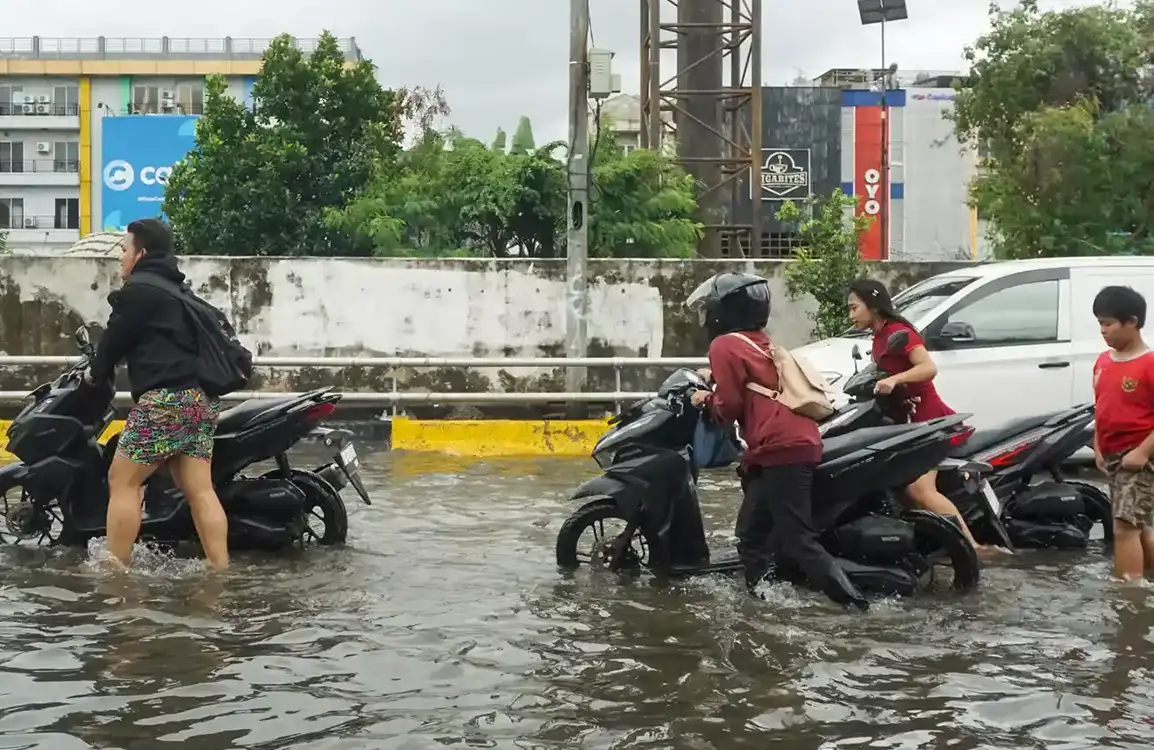
Illustration of a motorcycle submerged in floodwater (Image source: static.promediateknologi.id)
Floods often come without compromise. Roads turn into rivers, and the motorcycle that faithfully supports your daily activities can suddenly be submerged in muddy, murky water.
The problem is not only the motorcycle stalling at that moment, but also the potential for long-term damage that is often only felt days or even weeks later. Floodwater is not just water; it carries mud, fine sand, and even chemical substances that can enter the engine compartment, fuel system, and electrical components.
If the motorcycle is immediately started without proper handling, water can cause engine damage, electrical short circuits, and wear on internal components. Follow these steps to keep your motorcycle safe after being submerged in floodwater.

Illustration of a motorcycle starter (Image source: suzukicdn.com/)
This is the golden rule. When a motorcycle is submerged, there is a high chance that water enters the combustion chamber through the exhaust or air filter. Starting the engine or using the electric starter in this condition can cause Water Hammer.
Water Hammer is a condition where the connecting rod bends or the piston breaks due to water entering the combustion chamber. In addition, the motorcycle may also experience a short circuit, which is a fatal electrical failure when water enters the electrical system.

Illustration of removing a motorcycle spark plug (Image source: www.wahanahonda.com)
On motorcycles equipped with a kick starter, the spark plug needs to be removed to provide an exit for any water that may have entered the combustion chamber. After removing the spark plug, slowly crank the engine (using the kick starter) to push the water out. This step helps reduce the risk of rust and internal damage.

Illustration of oil mixed with water (Image source: gridoto.com)
Oil mixed with water will turn a milky brown color and lose its lubricating properties. This is extremely dangerous for engine components. Changing the oil after a motorcycle is submerged in floodwater is not an option, but a necessity.
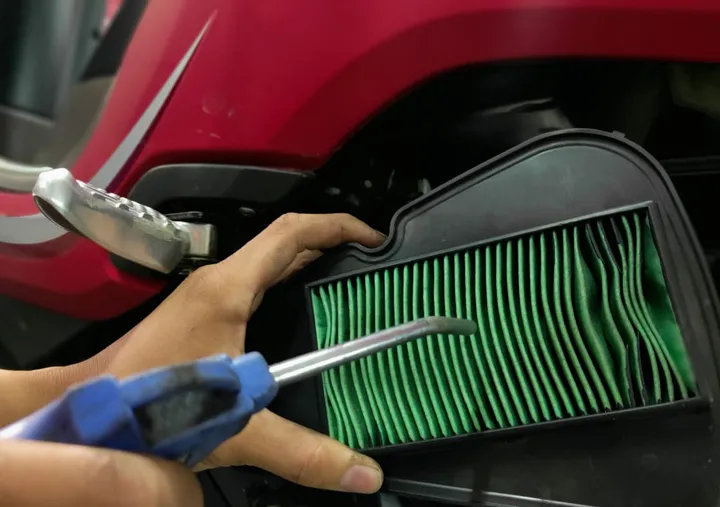
Illustration of cleaning a motorcycle air filter (Image source: assets.pikiran-rakyat.com)
A wet or dirty air filter must be cleaned, or even replaced if the condition is too severe. For carbureted motorcycles, the carburetor needs to be drained and cleaned, as water can settle in the carburetor bowl.
For fuel-injected motorcycles, inspection of the injector and throttle body is highly recommended to ensure optimal fuel delivery.

Illustration of checking a motorcycle’s electrical system (Image source: gridoto.com)
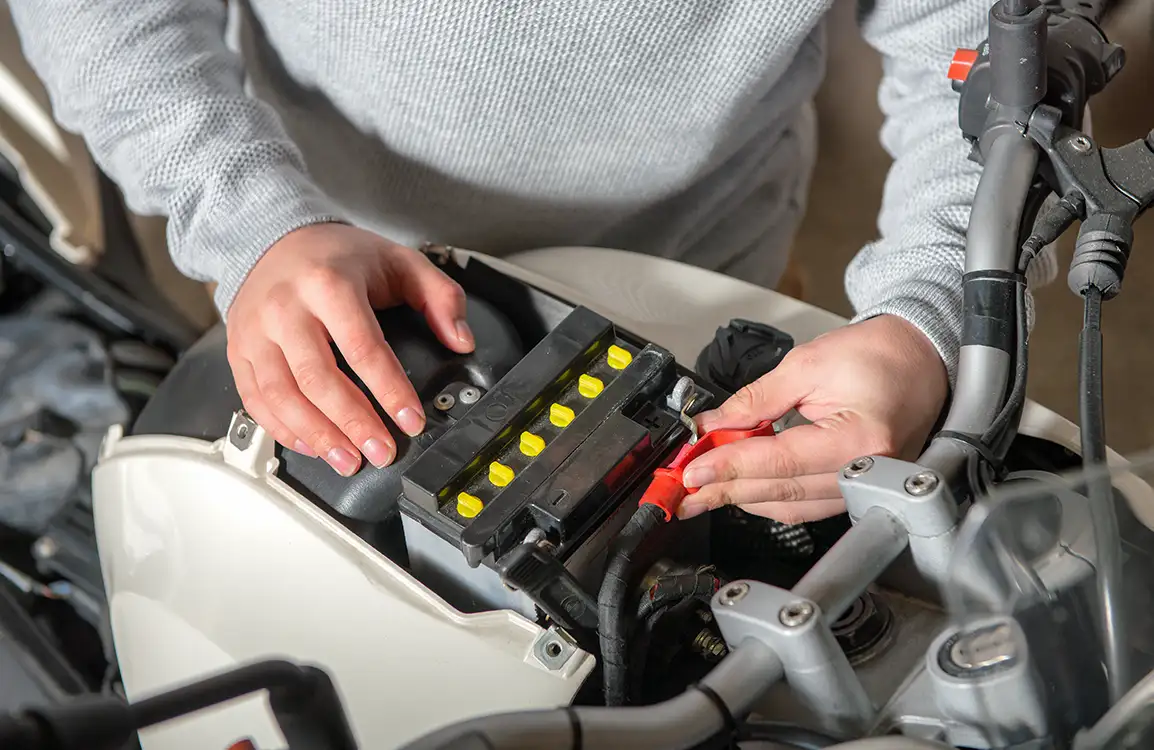
The electrical system is the most sensitive part to water. Sockets, connectors, and cables must be dried. Spray a cleaning fluid such as WD-40 on electrical contacts if available. The battery also needs to be checked, as floodwater can accelerate corrosion on the terminals and reduce performance.
Parts such as the chain, throttle cable, clutch cable, and brake levers are prone to rust after being submerged in water. Cleaning and then re-lubricating these components helps prevent corrosion and maintain riding comfort. This is a simple step, but it is often overlooked.
Even if the motorcycle can already start, it does not mean everything is safe. Further inspection at a workshop is important to ensure there is no hidden damage, especially to wheel bearings, brakes, and internal engine components. Prevention is always cheaper than major repairs later on.
A motorcycle submerged in floodwater does not always mean the end of everything. With proper, systematic handling based on mechanical logic, damage can be minimized.
The key is not to panic, not to rush to start the engine, and to focus on thorough drying and cleaning. A motorcycle may be a machine, but it is also a complex system that requires patient care after “swimming” in floodwater.
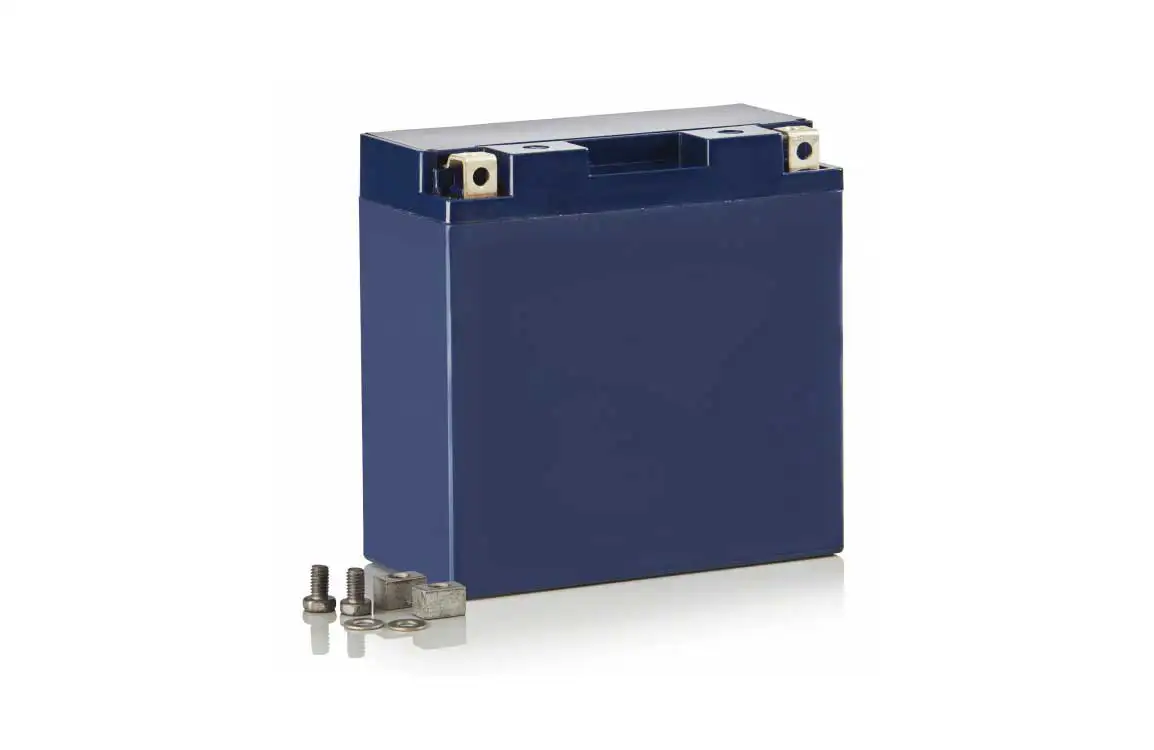
There is no other option than to replace your damaged motorcycle battery with a new one. However, after all repairs have been completed, make sure to choose the best motorcycle battery so your bike can perform optimally again.

The choice is Dynavolt Nano-Gel battery! With the world’s first Nano-Gel technology, equipped with high CCA and low self-discharge, it makes your motorcycle’s electrical system safer and more powerful.
Dynavolt batteries are trusted and used in more than 90 countries worldwide. In addition, Dynavolt batteries are also used in MotoGP events (Moto2, Moto3, and MotoE) as well as WSBK. Therefore, you no longer need to doubt the quality of Dynavolt batteries.
Let’s use Dynavolt batteries on your motorcycle now. For more information, check out Dynavolt battery products at:
Illustration of a motorcycle submerged in floodwater (Image source: static.promediateknologi.id)
Floods often come without compromise. Roads turn into rivers, and the motorcycle that faithfully supports your daily activities can suddenly be submerged in muddy, murky water.
The problem is not only the motorcycle stalling at that moment, but also the potential for long-term damage that is often only felt days or even weeks later. Floodwater is not just water; it carries mud, fine sand, and even chemical substances that can enter the engine compartment, fuel system, and electrical components.
If the motorcycle is immediately started without proper handling, water can cause engine damage, electrical short circuits, and wear on internal components. Follow these steps to keep your motorcycle safe after being submerged in floodwater.
Illustration of a motorcycle starter (Image source: suzukicdn.com/)
This is the golden rule. When a motorcycle is submerged, there is a high chance that water enters the combustion chamber through the exhaust or air filter. Starting the engine or using the electric starter in this condition can cause Water Hammer.
Water Hammer is a condition where the connecting rod bends or the piston breaks due to water entering the combustion chamber. In addition, the motorcycle may also experience a short circuit, which is a fatal electrical failure when water enters the electrical system.
Illustration of removing a motorcycle spark plug (Image source: www.wahanahonda.com)
On motorcycles equipped with a kick starter, the spark plug needs to be removed to provide an exit for any water that may have entered the combustion chamber. After removing the spark plug, slowly crank the engine (using the kick starter) to push the water out. This step helps reduce the risk of rust and internal damage.
Illustration of oil mixed with water (Image source: gridoto.com)
Oil mixed with water will turn a milky brown color and lose its lubricating properties. This is extremely dangerous for engine components. Changing the oil after a motorcycle is submerged in floodwater is not an option, but a necessity.
Illustration of cleaning a motorcycle air filter (Image source: assets.pikiran-rakyat.com)
A wet or dirty air filter must be cleaned, or even replaced if the condition is too severe. For carbureted motorcycles, the carburetor needs to be drained and cleaned, as water can settle in the carburetor bowl.
For fuel-injected motorcycles, inspection of the injector and throttle body is highly recommended to ensure optimal fuel delivery.
Illustration of checking a motorcycle’s electrical system (Image source: gridoto.com)
The electrical system is the most sensitive part to water. Sockets, connectors, and cables must be dried. Spray a cleaning fluid such as WD-40 on electrical contacts if available. The battery also needs to be checked, as floodwater can accelerate corrosion on the terminals and reduce performance.
Parts such as the chain, throttle cable, clutch cable, and brake levers are prone to rust after being submerged in water. Cleaning and then re-lubricating these components helps prevent corrosion and maintain riding comfort. This is a simple step, but it is often overlooked.
Even if the motorcycle can already start, it does not mean everything is safe. Further inspection at a workshop is important to ensure there is no hidden damage, especially to wheel bearings, brakes, and internal engine components. Prevention is always cheaper than major repairs later on.
A motorcycle submerged in floodwater does not always mean the end of everything. With proper, systematic handling based on mechanical logic, damage can be minimized.
The key is not to panic, not to rush to start the engine, and to focus on thorough drying and cleaning. A motorcycle may be a machine, but it is also a complex system that requires patient care after “swimming” in floodwater.
There is no other option than to replace your damaged motorcycle battery with a new one. However, after all repairs have been completed, make sure to choose the best motorcycle battery so your bike can perform optimally again.
The choice is Dynavolt Nano-Gel battery! With the world’s first Nano-Gel technology, equipped with high CCA and low self-discharge, it makes your motorcycle’s electrical system safer and more powerful.
Dynavolt batteries are trusted and used in more than 90 countries worldwide. In addition, Dynavolt batteries are also used in MotoGP events (Moto2, Moto3, and MotoE) as well as WSBK. Therefore, you no longer need to doubt the quality of Dynavolt batteries.
Let’s use Dynavolt batteries on your motorcycle now. For more information, check out Dynavolt battery products at: